
The biggest distinction patients should understand is between the upper third of the face — forehead lines, frown lines, and crow’s feet — and the masseter, the chewing muscle at the back of the jaw. These muscles differ in size, function, and the dose required to treat them, so their response to Botox follows a different timeline. In this article I will explain why duration varies, what the typical ranges look like, and which factors can make Botox wear off sooner.
How Botox works and why duration varies
Botox is a purified protein derived from Clostridium botulinum. When injected into a muscle, it blocks the nerve signals that trigger contraction. The muscle relaxes, and the skin above it stops being folded by repeated movement. Over time, the nerve endings regenerate new receptors, movement returns, and the effect gradually fades.
This process is not identical in every muscle. Larger muscles receive more units, have different blood supplies, and are used differently throughout the day. A muscle that works constantly — like the masseter during chewing — may recover its activity on a different schedule than smaller muscles used only for expression. Individual metabolism, muscle mass, and injection technique also influence how long the result lasts.
The way Botox is prepared and injected also matters. A higher concentration in a smaller volume tends to stay more localized; a more diluted preparation may spread further but may also wear off sooner in the target area. This is why two patients treated with the same number of units can have different results — the injector’s technique and the muscle’s anatomy are as important as the product itself.
Upper face: forehead, frown lines and crow's feet
In the upper face, Botox is used to soften horizontal forehead lines, the vertical “11” lines between the brows, and the crow’s feet at the outer corners of the eyes. These muscles are relatively small and thin, and the doses used are lower than in larger muscles.
Systematic reviews of upper-face treatment suggest that results commonly last around three to four months, though the exact point at which movement returns varies from person to person (Rahman E et al., 2023). Some patients still notice a softened appearance for a few more weeks after full movement has come back, because the skin has had time to rest. Others find they want a touch-up closer to the third month.
If you are considering treatment for these areas, you can learn more about our approach on the Botox in Colombia page.
Masseter: a bigger muscle, a different timeline
The masseter is a thick, powerful muscle used for chewing. Treating it with Botox — often to soften a square jaw or reduce symptoms linked to clenching — requires a higher dose because of its size and strength. The goal here is not to freeze expression but to reduce muscle bulk over time.
A systematic review of Botulinum toxin type A injection into the masseter found measurable changes in muscle thickness and activity, with effects that evolve over a longer period than in the upper face (Yan M et al., 2026). The muscle is larger, the dose is greater, and the functional demand on it is continuous. Because of this, many patients notice that masseter results follow their own schedule, sometimes taking longer to reach peak effect and lasting differently than forehead or frown-line treatments.
The masseter also responds differently to repeated treatments. With each session, the muscle tends to become thinner and weaker, so later sessions may last longer than the first. This is not true of the upper face, where the goal is usually to maintain a consistent, natural look rather than to change muscle size.
You can read more about this specific application on the masseter Botox in Colombia page.
What makes Botox wear off sooner
Several factors can shorten how long Botox lasts or make it seem to fade faster:
- Metabolism. People who metabolize the protein faster may notice movement returning earlier. There is no reliable way to predict this before treatment.
- Dose and dilution. A lower dose may wear off sooner. The right dose depends on muscle size, treatment goal, and the area being treated.
- Muscle size and activity. Larger or stronger muscles, and muscles used frequently, tend to recover activity faster. This is why the masseter often behaves differently from the upper face.
- Exercise and heat. Very intense exercise, frequent saunas, or heat exposure may increase blood flow to the face and potentially shorten the effect. The evidence is mixed, but I generally advise patients to avoid strenuous exercise and saunas for the first 24 hours.
- Zinc supplementation. Some early studies suggested that zinc levels might influence Botox response, but the data are not strong enough to recommend routine supplementation. Do not start or stop supplements based on online advice without speaking to your physician.
- Aminoglycoside antibiotics. Medications such as gentamicin, streptomycin, and related antibiotics can enhance the effect of botulinum toxin. If you are prescribed one of these around the time of your appointment, tell your injector.
- Recent illness or immune response. A recent infection, vaccination, or heightened immune activity can sometimes shorten the effect. This is not common, but it happens.
What to expect at each stage
The first few days after injection usually feel unchanged. Movement typically begins to soften around days three to seven, with the full effect visible by two weeks. From there, the result holds for a period before nerve signaling gradually recovers.
In the upper face, most patients schedule their next session when they notice movement returning — commonly somewhere between the third and fourth month. In the masseter, the timeline can be longer and more gradual, with changes in jaw shape sometimes becoming more noticeable over the first month and evolving from there. Your injector should track your response over multiple sessions to find the interval that works best for you.
It is important not to wait until the effect has completely worn off before returning. Once full movement has returned, the muscle has fully recovered its strength, and the next session may need more units to achieve the same result. Coming in when you first notice the effect fading allows for a more conservative, natural-looking maintenance plan.
Factors that influence your result
Duration is not the only variable that changes from person to person. The quality of the result — how natural it looks, how evenly it wears off, and how long it maintains a soft appearance — also depends on several factors that you can influence.
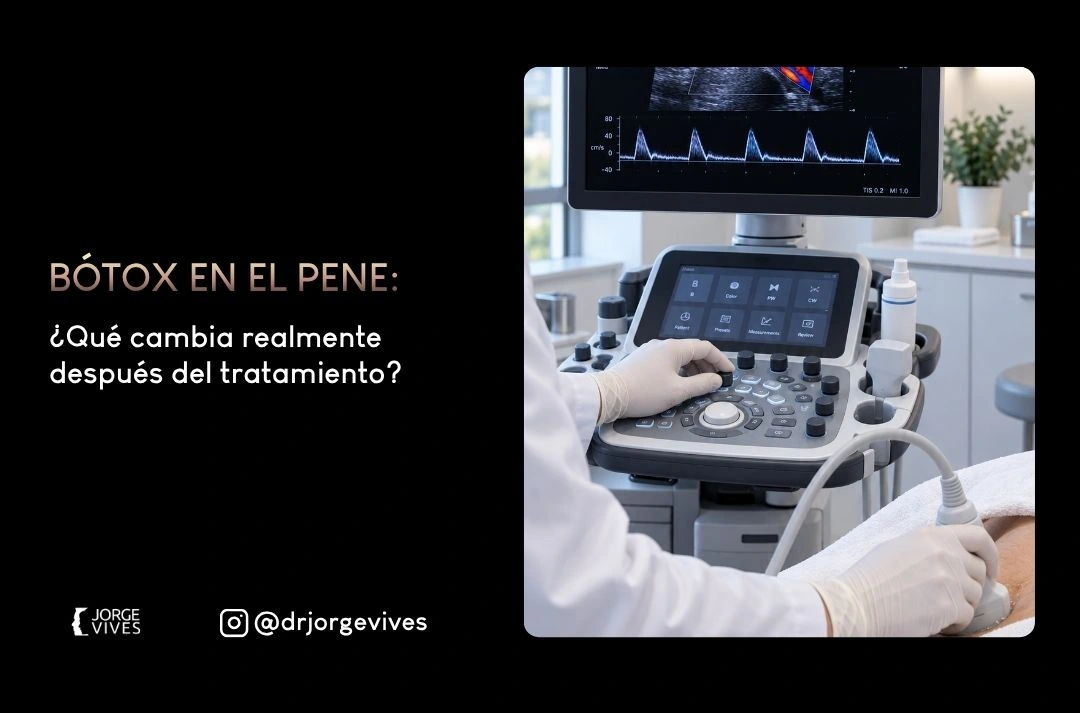
- The injector’s technique. Precise placement, correct depth, and the right dilution all affect how the product behaves. An injector who uses ultrasound to map the muscle can target it more accurately.
- Your own facial anatomy. Thicker skin, stronger muscles, and a heavier brow may require adjustments in dose or placement. This is why a personal assessment is more valuable than a standard protocol.
- Your expectations. Some patients want a completely frozen look; others want a soft, natural softening. These goals require different doses and different maintenance schedules. Being clear about what you want helps your injector plan the right approach.
- The product used. Different formulations of botulinum toxin — onabotulinumtoxinA (Botox), abobotulinumtoxinA (Dysport), incobotulinumtoxinA (Xeomin) — have slightly different onset and duration profiles. In my practice I use the product that best fits the area and the patient’s history.
How to make your Botox last longer
There is no way to guarantee a longer duration, but some habits can help maintain the result:
- Follow the aftercare instructions: no rubbing, no massage, no lying down for four hours after injection.
- Avoid strenuous exercise and saunas for the first 24 hours.
- Do not take supplements or medications without telling your injector.
- Book your next session when you first notice the effect fading, not after it has fully worn off.
- Consider ultrasound-guided injection, which allows for more precise placement and may reduce the total dose needed.
The goal is not to stretch the result as long as possible at the expense of safety or natural appearance. It is to find the interval that keeps you looking fresh without requiring excessive doses or frequent touch-ups.
Botox in Cartagena with Dr. Jorge Vives
My approach to Botox is based on the same principles I apply to every procedure: assessment before treatment, precision over volume, and a plan that adapts to your anatomy. As a radiologist and aesthetic physician, I use ultrasound when it adds value — for example, to map the masseter before injection or to assess muscle thickness during follow-up.
I perform these treatments in my clinic in Bocagrande, Cartagena, for patients from Colombia and abroad. The consultation includes a full facial assessment, a discussion of your goals, and a clear explanation of what can be achieved. My goal is not to sell a certain number of units; it is to give you a result that looks natural, lasts as long as your anatomy allows, and fits your face.
Cost of Botox treatment
The cost of Botox depends on several factors: how many areas are treated, how many units are needed, whether the masseter is included, and whether you are a new patient or coming for a maintenance session. A simple forehead treatment is not the same as a full upper-face and masseter plan.
Because of this, I do not quote prices without first seeing the case. During the consultation, I review the areas you want to treat, explain the plan, and provide a clear estimate before any procedure. For patients traveling from abroad, we can start with an online assessment and schedule the treatment during your visit to Cartagena.
Botox duration is not a fixed number. It changes with the muscle treated, the dose used, and how your own body processes the product. If you are considering treatment and want a plan based on your specific facial anatomy and goals, you can book a consultation here. For patients traveling from abroad, we also schedule online consultations before your visit to Cartagena.
Book an assessmentFrequently asked questions
How long does Botox last in the forehead?
Most patients find that forehead Botox lasts around three to four months. Individual metabolism and dose can move this earlier or later.
Does Botox last longer in the masseter than in the upper face?
The masseter often follows a different timeline because it is a larger, stronger muscle treated with a higher dose. It may take longer to show full change and can last differently than the upper face.
Can exercise make Botox wear off faster?
Very intense exercise and frequent heat exposure may shorten the effect for some people. I recommend avoiding strenuous exercise and saunas for the first 24 hours after treatment.
Does a higher dose last longer?
In general, larger muscles need more units, but the relationship between dose and duration is not linear. Your injector will choose the lowest effective dose for your goal.
Why did my Botox only last two months?
Fast metabolism, a lower dose, a very active muscle, or recent illness can all make results fade sooner. Reviewing your treatment history with your injector helps identify the cause.
Should I take zinc to make Botox last longer?
The evidence is not strong enough to support this as a standard recommendation. Do not take supplements specifically for Botox without medical guidance.
Do antibiotics affect Botox?
Aminoglycoside antibiotics can enhance the effect of botulinum toxin. Always tell your injector about any antibiotics you are taking or have recently finished.
When should I book my next appointment?
Most upper-face patients return around three to four months. Masseter patients may follow a different schedule. Book when you first notice movement returning, not after it has fully come back.
Can Botox last longer with repeated treatments?
In the masseter, yes — repeated sessions tend to thin the muscle, so later sessions may last longer. In the upper face, the effect is usually more consistent, but some patients find they need fewer units over time.
Is there anything I can do to make Botox wear off slower?
Follow the aftercare, avoid intense heat and exercise for 24 hours, and book your next session before the effect fully fades. There is no proven way to extend the result beyond your own metabolism.
About the reviewer
Reviewed by: Dr. Jorge Vives Gutiérrez
Specialty: Radiologist and Aesthetic Physician
Education: Universidad de Cartagena, Colombia
Affiliations: Asociación Colombiana de Radiología (ACR), CMAC Iberoamérica, AAAM
References
- Rahman E, Mosahebi A, Carruthers JDA, Carruthers A. The Efficacy and Duration of Onabotulinum Toxin A in Improving Upper Facial Expression Lines With 64-Unit Dose Optimization: A Systematic Review and Meta-Analysis With Trial Sequential Analysis of the Randomized Controlled Trials. *Aesthetic surgery journal*. 2023;43(3):283-295. https://pubmed.ncbi.nlm.nih.gov/36099476/
- Yan M, Zhao M, Liu J, Luo Y, Qiu Y, Guo Z, Yu P, Lu J. What Happened to Masticatory Muscles after Botulinum-Toxin-Type A Injection into Masseter: A Systematic Review. *Aesthetic plastic surgery*. 2026. https://pubmed.ncbi.nlm.nih.gov/41214320/